UPS vs Generator vs Solar: Best Backup for Load Shedding in Pakistan
Load shedding hits almost every home in Pakistan. When it does, you have three real options: UPS, generator, or solar. Each one costs different money, handles different loads, and fits different homes. This guide gives you real numbers so you can pick the right one for your house, not just the one your neighbor bought.
In This Guide
- Quick Comparison Table
- UPS: Cheap and Simple
- Generator: Powerful but Expensive to Run
- Solar: High Upfront Cost, Free to Run
- Which One Should You Pick
- Frequently Asked Questions
Quick Comparison Table
| Factor | UPS | Generator | Solar (Hybrid) |
|---|---|---|---|
| Upfront cost | Rs. 30,000 – 80,000 | Rs. 100,000 – 500,000 | Rs. 400,000 – 1,200,000+ |
| Running cost | Battery replacement every 1.5–3 years | Rs. 30,000 – 50,000/month in fuel (summer) | Rs. 0 fuel, battery lasts years |
| Can run AC or fridge? | No, only light loads | Yes, handles heavy loads | Yes, if sized correctly |
| Noise & pollution | Silent | Loud, smoke, fumes | Silent |
| Works at night? | Yes | Yes | Only with battery storage |
UPS: Cheap and Simple
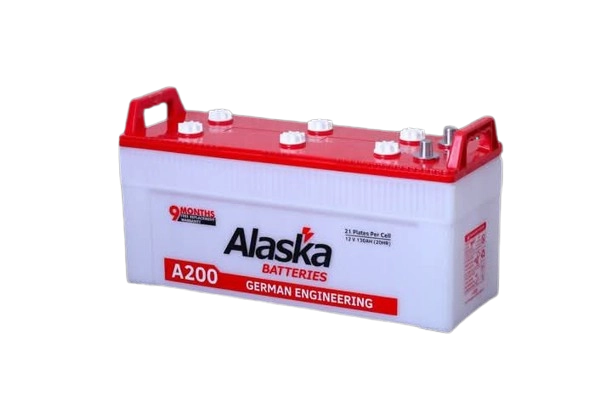
A UPS is the most common backup in Pakistani homes because it’s the cheapest to buy. It uses a battery to power lights, fans, and your WiFi router when the power goes out. The problem is that a UPS cannot run heavy things like an AC or a fridge for long, the battery drains too fast. UPS batteries also don’t last forever. With normal use, they need replacing every 1.5 to 3 years, and that cost adds up over time. For real prices, see our UPS Battery Price in Pakistan guide.
Generator: Powerful but Expensive to Run
A generator can run anything, AC, fridge, water motor, all at once. But it runs on diesel or petrol, and fuel costs add up fast. A 10kVA diesel generator burns about 2.5 to 3.5 liters per hour. If you run it 6 hours a day in summer, that’s 15 to 21 liters a day, costing roughly Rs. 4,500 to 6,300 per day at current diesel prices. Over a full summer month, that’s Rs. 135,000 to 189,000. Even in winter with lighter use, expect Rs. 45,000 to 63,000 a month. On top of fuel, generators are loud, produce smoke, and need regular servicing.
Solar: High Upfront Cost, Free to Run
Solar costs the most to install, but once it’s up, the sunlight is free. A hybrid solar system (panels plus battery) can power your home during the day and switch to battery at night or during outages. This only works for backup if your system includes a battery, solar panels alone stop working the moment the grid goes down, since most standard systems shut off for safety. Homes with 4+ hours of daily load shedding and high WAPDA or generator bills usually recover the extra solar cost in 2 to 3 years, just from what they stop spending on fuel and battery replacements. See our Solar Battery Price in Pakistan guide and How Many Batteries for a 5kW Solar System guide to plan a real system.
Which One Should You Pick
- Choose UPS if your budget is tight and you only need lights, fans, and internet during short outages.
- Choose a generator if you need heavy appliances running occasionally and don’t mind the fuel cost and noise.
- Choose solar if you face long daily load shedding, already pay a lot for fuel or electricity, and can afford the upfront cost. It pays for itself over time and needs the least ongoing attention.
- Many homes actually use two together, a UPS for daily light backup and a generator or solar system for heavy loads and long outages. This is common and often the most practical setup.
Frequently Asked Questions
Which is cheaper long-term, generator or solar?
Solar is cheaper long-term for homes with frequent load shedding. A generator can cost Rs. 30,000-50,000 a month in fuel during summer, while solar has zero fuel cost after installation. Most homes with 4+ hours of daily load shedding recover solar’s higher upfront cost within 2 to 3 years just from fuel savings.
Can a UPS run my fridge and AC?
No, not for long. A standard UPS is built for light loads like bulbs, fans, and a router. Running a fridge or AC drains a UPS battery in a very short time and can damage the battery from overload. For heavy appliances, you need a generator or a properly sized solar system.
Does solar work during load shedding at night?
Only if your solar system includes a battery. Solar panels alone stop producing power at night and most grid-connected systems shut off completely during an outage for safety. A hybrid system with battery storage is what actually gives you backup power at night.