How Many Cells in a Lithium Battery
A 48V lithium battery for solar use in Pakistan typically has 15 to 16 cells wired in series, plus extra cells wired in parallel for capacity. The exact number depends on the cell voltage and your target system voltage. This guide breaks down the actual math so you understand what’s inside the battery you’re buying or building.
In This Guide
- The Basic Math: Series and Parallel
- Cell Count by System Voltage
- What Series and Parallel Actually Do
- Why 48V Systems Often Use 16 Cells, Not 13
- How This Compares to Lead-Acid Batteries
- Frequently Asked Questions
The Basic Math: Series and Parallel
A single LiFePO4 (lithium iron phosphate) cell, the type used in solar batteries, has a nominal voltage of 3.2V. To reach a target system voltage, you connect cells in series (end to end), adding their voltages together. To increase capacity (Ah) without changing voltage, you add more cells in parallel (side by side). Most battery packs combine both: series strings for voltage, multiplied by parallel groups for capacity.
Cell Count by System Voltage
| Target Voltage | Cells in Series | Resulting Voltage |
|---|---|---|
| 12V | 4 cells (4S) | 12.8V |
| 24V | 8 cells (8S) | 25.6V |
| 48V | 15-16 cells (15S/16S) | 48V – 51.2V |
For capacity, each series string is then duplicated in parallel. For example, a 16S2P configuration means 16 cells in series (for voltage) with 2 parallel groups (for capacity), giving 32 total cells. A common home solar setup using 16 cells in series with 280Ah cells and no parallel duplication (16S1P) already delivers 51.2V at 280Ah, about 14.3kWh, enough for a full night’s backup in many homes.
What Series and Parallel Actually Do
- Series wiring adds voltage, capacity stays the same. Four 3.2V cells in series = 12.8V, capacity unchanged.
- Parallel wiring adds capacity (Ah), voltage stays the same. Two 100Ah cells in parallel = 200Ah at the same voltage.
- Series-parallel combos do both at once. A “16S2P” pack means 16 cells in series for voltage, duplicated across 2 parallel groups for capacity, 32 total cells.
Every cell in a pack must be matched, same chemistry, voltage, and ideally the same manufacturing batch. Mismatched cells create weak links that reduce overall performance and can be a safety risk, which is why buying a pre-built battery from a reputable brand is safer than assembling your own pack unless you really know what you’re doing.
Why 48V Systems Often Use 16 Cells, Not 13
You might expect 48V ÷ 3.2V = 15 cells exactly, but most manufacturers use 16 cells (51.2V nominal) instead. This is intentional: 16 cells gives better voltage coupling with standard solar inverters and charge controllers designed around the 48V standard, and gives a small safety buffer above the minimum 48V threshold that most inverters expect. This is why you’ll see most residential and commercial lithium solar batteries in Pakistan specified as “51.2V” rather than exactly “48V”, even though people commonly just call it a “48V battery.”
How This Compares to Lead-Acid Batteries
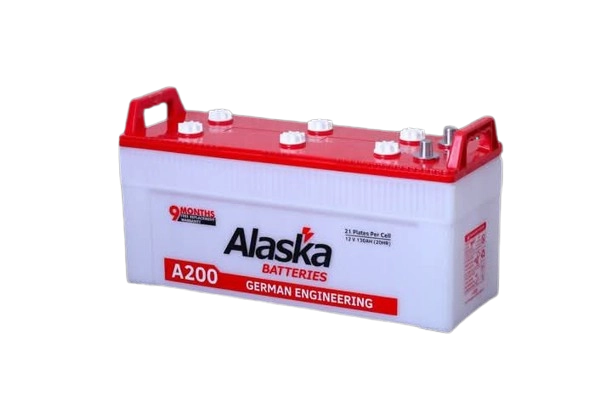
A standard 12V lead-acid car or tubular battery uses 6 cells internally, each producing about 2V, adding up to 12V. Unlike lithium, this cell count is fixed regardless of capacity, a 65Ah car battery and a 250Ah tubular battery both use 6 cells, the higher-capacity version just uses larger plates inside each cell rather than more cells. A 24V lead-acid setup (common for larger UPS/solar banks) typically uses two 12V batteries in series, effectively 12 total cells. See our Lithium Battery Price in Pakistan guide and Tubular Battery Price in Pakistan guide for real pricing on both types.
Frequently Asked Questions
How many cells are in a 5kWh lithium solar battery?
A typical 5.12kWh (51.2V) lithium battery uses 16 cells in series (16S), each rated around 100Ah, giving 51.2V x 100Ah = 5.12kWh. Some models add parallel groups for higher capacity, which increases the total cell count proportionally.
Can I add more cells to my lithium battery later to increase capacity?
Not safely, in most cases. Adding cells to an existing pack requires exact matching with the original cells (same age, chemistry, and charge history), and most manufacturers don’t recommend it. It’s usually safer and more reliable to add a second complete battery unit in parallel rather than modifying an existing pack.
Why does a lead-acid battery always have 6 cells regardless of size?
Each lead-acid cell produces about 2V, and 6 cells in series gives the standard 12V. Manufacturers increase capacity by making the plates inside each cell larger or adding more plate surface area, not by adding more cells, since changing the cell count would change the battery’s voltage.