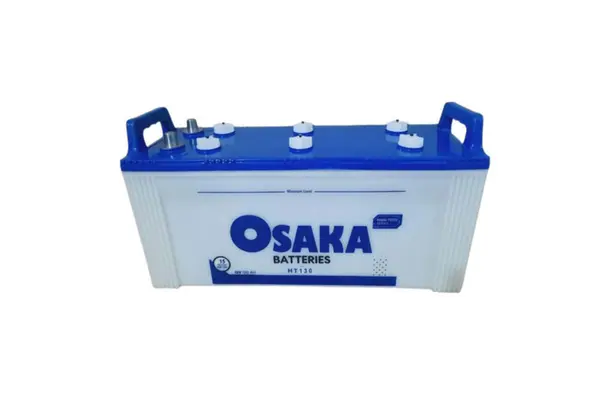
Which Acid Is Used in Car Batteries
Car batteries use sulfuric acid (H2SO4) mixed with water, roughly 35% acid to 65% water by weight. This mixture, called the electrolyte, is what actually stores and releases electrical energy inside a lead-acid battery. This guide explains how it works, why it’s dangerous, and what those numbers on a hydrometer or specification sheet actually mean.
In This Guide
- The Acid Mixture Explained
- How the Acid Actually Powers Your Battery
- Specific Gravity: What It Means and Why It Matters
- Is Battery Acid Dangerous
- Do All Batteries Use This Acid
- Frequently Asked Questions
The Acid Mixture Explained
The electrolyte inside a standard car, UPS, or tubular battery is a mixture of sulfuric acid and water, at roughly a 35:65 ratio by weight. This gives the solution a density of about 1.28 g/cm³ and a very low pH of around 0.8, meaning it’s genuinely a strong, corrosive acid, not a mild household chemical. This is also why manufacturers recommend only ever topping up water levels with distilled water, adding anything else changes this precise ratio and disrupts the chemical reaction the battery depends on.
How the Acid Actually Powers Your Battery
Inside the battery, lead plates sit inside this sulfuric acid solution. When the battery discharges (powers your car or UPS), a chemical reaction pulls sulfate ions out of the acid and deposits them onto the plates as lead sulfate, this is why the acid becomes more diluted (weaker) as the battery discharges. When you charge the battery, the reverse happens, sulfate moves back off the plates and returns to the electrolyte, making the acid concentration stronger again. This back-and-forth cycle is the entire basis of how a lead-acid battery stores and releases energy.
Specific Gravity: What It Means and Why It Matters
Specific gravity is simply how dense the acid solution is compared to plain water, and it directly tells you the battery’s charge level. A fully charged battery typically reads a specific gravity of 1.260 to 1.300, while a fully discharged one drops to around 1.100 to 1.150. This is exactly what a hydrometer test measures, mechanics use it to check individual cells in older, non-sealed batteries where the caps can be opened. If your battery is a modern sealed, maintenance-free type, this test isn’t possible without damaging it, and a voltage test is used instead. See our How to Test a Car Battery guide for the voltage-based method.
Is Battery Acid Dangerous
Yes, genuinely. At 35% concentration, sulfuric acid causes chemical burns on contact with skin and can permanently damage eyes if splashed. It also reacts with metal and fabric, which is why corrosion around old battery terminals is common. Always wear gloves when handling a battery or topping up water, and never tilt or lay a battery on its side, since this can let acid leak out around the cell caps.
Do All Batteries Use This Acid
No. Sulfuric acid is specific to lead-acid batteries, this covers standard car batteries, tubular batteries, gel batteries (which use the same acid but in a thickened, gel form so it can’t spill), and most UPS batteries. Lithium (LiFePO4) batteries, on the other hand, don’t use acid at all, they store energy through a completely different chemical process inside sealed cells, which is part of why lithium batteries need no water top-ups or acid handling whatsoever. See our Lithium Battery Price in Pakistan guide to compare.
Frequently Asked Questions
What happens if I use tap water instead of distilled water in a car battery?
Tap water contains minerals that disrupt the precise 35:65 acid-to-water ratio the battery depends on, causing a buildup called sulfation on the plates. This permanently reduces the battery’s capacity and is one of the most common reasons batteries fail early in Pakistan.
Can I touch battery acid safely?
No, direct contact with battery acid can cause chemical burns, and contact with eyes is especially dangerous. Always wear gloves when working near an open battery, and rinse immediately with plenty of water if any contact occurs, then seek medical attention if needed.
Does a lithium battery contain sulfuric acid?
No. Lithium (LiFePO4) batteries use a completely different chemistry with no sulfuric acid involved, which is why they need no water top-ups and carry no acid-related handling risks, unlike tubular, car, or standard UPS batteries.