1000 Watt Solar Panel Price in Pakistan 2026 – Everything You Need to Know
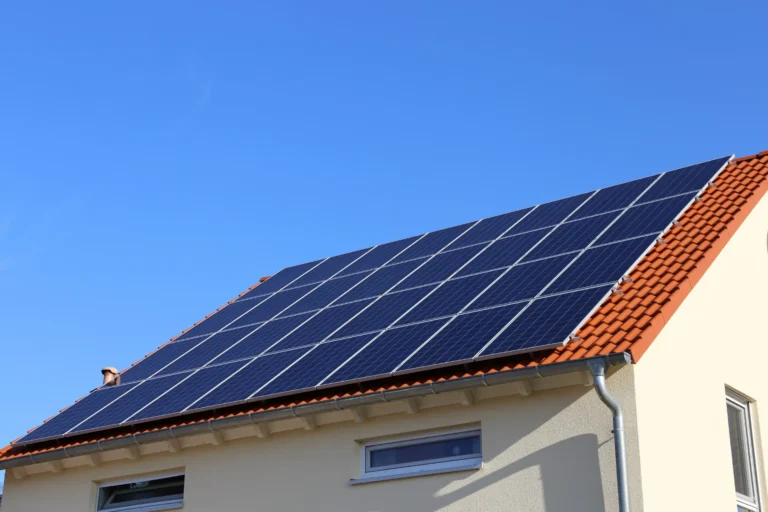
You have probably heard someone say, “I need a 1000 watt solar panel.” But here is the truth — a single 1000 watt solar panel does not exist in the Pakistani market right now. The biggest panels available today are around 600 to 700 watts each.
So what people actually mean when they say “1000 watt solar panel price in Pakistan” is: how much does a 1 kilowatt (1 kW) solar setup cost? And a 1 kW system uses 2 panels of around 500 to 540 watts each. This guide will explain everything clearly — prices, energy output, inverter, battery, and total cost.
A watt (W) is a unit of power — like how strong something is. A kilowatt (kW) is just 1000 watts. So 1000 watts = 1 kilowatt = 1 kW. When someone says “1 kW solar system,” they mean a system that can produce 1000 watts of power at one time when the sun is shining at full strength.
Why There Is No Single 1000W Solar Panel
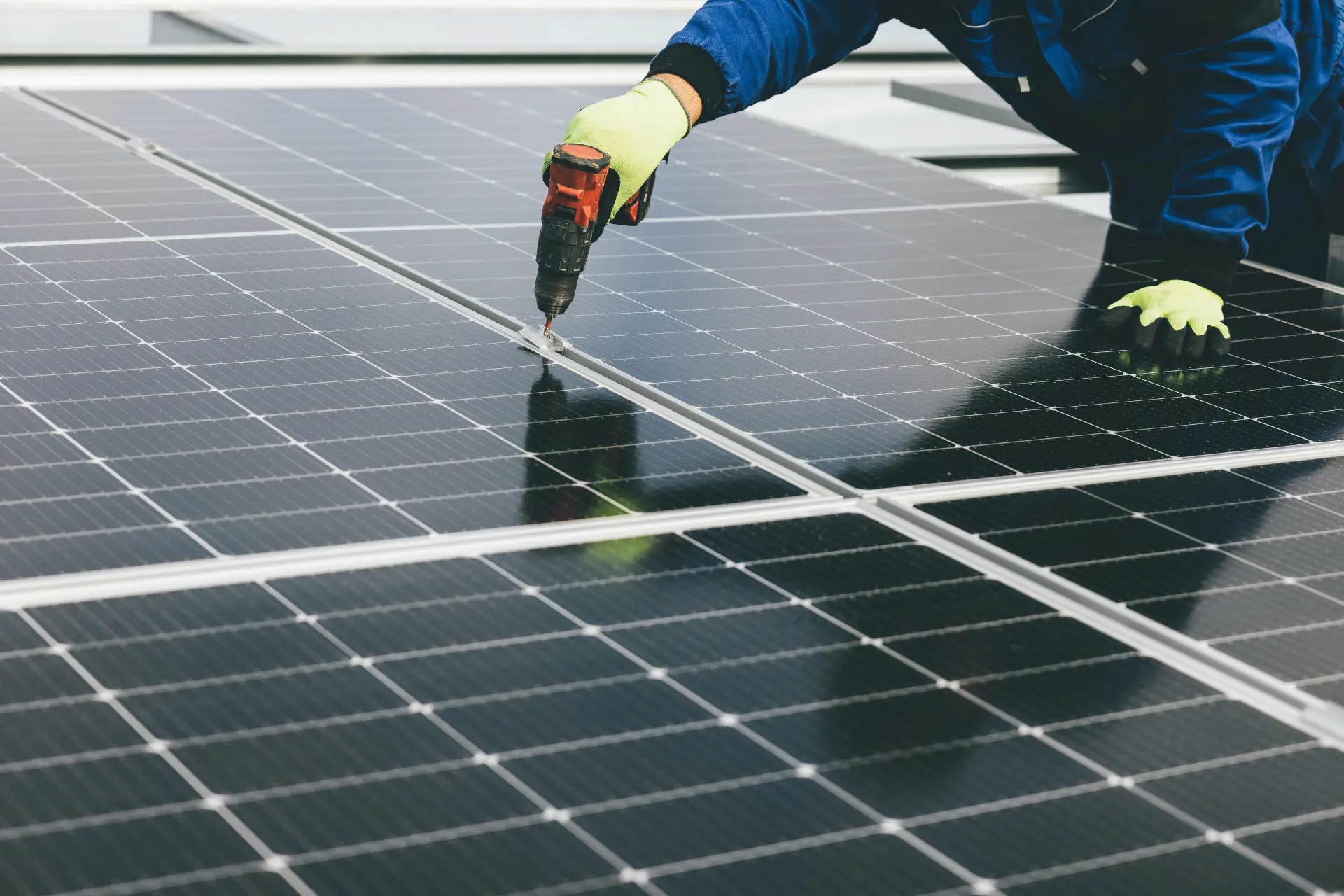
Solar panels are made in factories in large sheets. The bigger the panel, the harder it is to carry, install on your roof, and transport. That is why panel makers stopped at around 600 to 700 watts per panel. Making one 1000W panel would make it too big and heavy to handle safely.
So instead, you buy two 500W or 540W panels and connect them together. Together they give you 1000 to 1080 watts — which is your 1 kW solar system.
1000 Watt Solar Panel Price in Pakistan — Brand Wise
The price depends on which brand you choose. Here are the real wholesale market prices from May 2026. These are prices for two panels that together make a 1 kW system:
| Brand | Panel Size | Price Per Panel (PKR) | Total for 2 Panels (1kW) | Grade |
|---|---|---|---|---|
| Longi Hi-MO X10 | 540W | Rs. 22,140 – 23,220 | Rs. 44,280 – 46,440 | Tier-1 ⭐ |
| Jinko Tiger Neo | 540W | Rs. 22,140 – 23,220 | Rs. 44,280 – 46,440 | Tier-1 ⭐ |
| Canadian Solar | 540W | Rs. 21,600 – 22,680 | Rs. 43,200 – 45,360 | Tier-1 ⭐ |
| JA Solar DeepBlue | 540W | Rs. 20,520 – 21,600 | Rs. 41,040 – 43,200 | Tier-1 ⭐ |
| Inverex (Local) | 540W | Rs. 15,120 – 17,280 | Rs. 30,240 – 34,560 | Local Brand |
| Crown Solar (Local) | 500W | Rs. 14,500 – 16,000 | Rs. 29,000 – 32,000 | Local Brand |
Tier-1 means the company is big, trusted, and has been making solar panels for many years. Their panels are tested by banks and experts worldwide. They give you a 25-year warranty and their panels degrade (get weaker) very slowly. Think of it like buying a Toyota instead of an unknown local brand — both are cars, but one is more reliable long-term.
How Much Electricity Does a 1000W Solar System Produce?
This is the most important question. Your 1 kW system will not produce 1000 watts all day — it only produces full power when the sun is at its strongest, usually between 10am and 3pm. The rest of the time it produces less.
In Pakistan, the number of “good sun hours” per day varies by city. Here is how much electricity your 1 kW system will produce daily:
| City | Good Sun Hours/Day | Daily Output (1 kW system) | Monthly Output | Yearly Output |
|---|---|---|---|---|
| Multan | 6.5 hours | 6.5 units (kWh) | ~195 units | ~2,370 units |
| Karachi | 6.0 hours | 6.0 units (kWh) | ~180 units | ~2,190 units |
| Faisalabad | 5.5 hours | 5.5 units (kWh) | ~165 units | ~2,007 units |
| Lahore | 5.5 hours | 5.5 units (kWh) | ~165 units | ~2,007 units |
| Rawalpindi | 5.0 hours | 5.0 units (kWh) | ~150 units | ~1,825 units |
A unit of electricity is the same as a kilowatt-hour (kWh). This is what WAPDA charges you for on your electricity bill. If your bill shows you used 200 units last month, that means you used 200 kWh. One unit costs roughly Rs. 50 to Rs. 70 on Pakistani electricity bills in 2026.
What Can You Run with a 1 kW Solar System?
A 1 kW system producing around 5 to 6 units per day can run the following appliances during daytime:
| Appliance | Power Used | Hours You Can Run It | Works on 1kW System? |
|---|---|---|---|
| LED Bulbs (10W each) | 10W each | All day | ✅ Yes, easily |
| Ceiling Fan | 75W | 8 – 10 hours | ✅ Yes |
| LED TV (32 inch) | 60W | 8 – 10 hours | ✅ Yes |
| Laptop / Computer | 65W | 8 – 10 hours | ✅ Yes |
| Small Water Pump (0.5HP) | 370W | 2 – 3 hours | ✅ Yes (short use) |
| Refrigerator (small) | 150W | 5 – 6 hours | ⚠️ Possible but tight |
| Room Air Conditioner (1 ton) | 900W – 1200W | Not possible alone | ❌ Need 3kW+ system |
| Iron / Washing Machine | 1000W – 2000W | Not possible alone | ❌ Too much load |
In simple words — a 1 kW system is good for a single room or small shop. You can run lights, fans, a TV, and a laptop with ease. But do not expect it to run an AC or a fridge full time. For that, you need a bigger system.
Which Inverter Do You Need for a 1 kW System?
The solar panel produces DC power — like the power in a battery. But your home appliances use AC power — like what comes from the wall socket. An inverter converts DC to AC so your appliances can use solar electricity.
DC (Direct Current) flows in one direction, like water in a pipe. Batteries and solar panels produce DC. AC (Alternating Current) changes direction very fast, 50 times per second. Your home fan, TV, and lights all use AC. The inverter is the machine that changes DC solar power into AC home power.
For a 1 kW solar system, you need a 1 kW inverter at minimum. Buying a 1.5 kW inverter gives you room to add more panels later without changing the inverter.
| Inverter Brand & Model | Size | Type | Price (PKR) | NEPRA Approved? |
|---|---|---|---|---|
| Growatt MIN 1000TL-X | 1 kW | On-Grid | Rs. 35,000 – 42,000 | ✅ Yes |
| Solis 1kW Mini | 1 kW | On-Grid | Rs. 33,000 – 40,000 | ✅ Yes |
| Inverex Nitrox 1.2kW | 1.2 kW | Hybrid | Rs. 38,000 – 48,000 | ✅ Yes |
| Growatt SPF 1000ES | 1 kW | Hybrid (Off-Grid) | Rs. 40,000 – 50,000 | ✅ Yes |
An on-grid inverter connects to WAPDA electricity. When the sun shines, it uses solar. When it is cloudy or night, it switches to WAPDA automatically. It cannot work during load shedding because it shuts off for safety. A hybrid inverter also connects to batteries. So even during load shedding, you still have power from your battery. Hybrid costs more but is better for Pakistan’s load shedding situation.
Battery Backup for a 1 kW System
If you want electricity at night or during load shedding, you need a battery. Your 1 kW system produces 5 to 6 units per day. A good battery setup stores some of that energy for later use.
| Battery Type | Size | Price (PKR) | Backup Time (basic load) | Lifespan |
|---|---|---|---|---|
| AGM / Dry Battery | 100Ah / 12V | Rs. 25,000 – 35,000 | 3 – 5 hours | 2 – 3 years |
| AGM / Dry Battery | 200Ah / 12V | Rs. 45,000 – 60,000 | 5 – 8 hours | 2 – 3 years |
| Lithium LiFePO4 | 100Ah / 24V | Rs. 80,000 – 110,000 | 6 – 10 hours | 8 – 12 years |
LiFePO4 stands for Lithium Iron Phosphate. It is a type of lithium battery that is safe, lasts very long, and works well in Pakistan’s hot weather. It is more expensive than a regular dry battery, but you do not need to replace it for 10+ years. A dry battery needs replacement every 2 to 3 years. So over 10 years, lithium actually saves you money.
Complete 1 kW Solar System Cost in Pakistan
Now let’s put it all together. Here is the total cost of a 1 kW solar system in Pakistan in 2026, depending on your choices:
| Component | Budget Setup | Standard Setup | Premium Setup |
|---|---|---|---|
| 2 × Solar Panels (540W) | Rs. 30,000 (Local brand) | Rs. 43,000 (JA Solar) | Rs. 46,000 (Longi) |
| Inverter | Rs. 35,000 (Solis 1kW) | Rs. 42,000 (Growatt) | Rs. 50,000 (Inverex Hybrid) |
| Battery | Rs. 28,000 (100Ah Dry) | Rs. 55,000 (200Ah Dry) | Rs. 100,000 (Lithium) |
| Mounting Structure + Wiring | Rs. 8,000 | Rs. 10,000 | Rs. 12,000 |
| Installation Labour | Rs. 5,000 | Rs. 8,000 | Rs. 12,000 |
| Total Cost | Rs. 106,000 | Rs. 158,000 | Rs. 220,000 |
How Long Will It Take to Get Your Money Back?
This is called the “payback period” — the time it takes for your solar savings to equal what you paid for the system.
Let’s say you install a standard 1 kW system for Rs. 158,000. Your system produces about 165 units per month in Lahore. At Rs. 60 per unit, that saves you Rs. 9,900 per month on your electricity bill.
Rs. 158,000 ÷ Rs. 9,900 = about 16 months to get your money back. After that, every unit of electricity your panels produce is free money in your pocket for the next 20+ years.
Is a 1 kW System Right for You?
A 1000 watt solar system is a good starting point, but it is not enough for a full Pakistani home. Here is a simple guide to help you decide:
- Single room / shop with fans, lights, TV, laptop → 1 kW is enough
- Small apartment (2 rooms) → go for 2 kW
- 5 marla house (no AC) → go for 4 kW to 5 kW
- 5 marla house (with 1 AC) → go for 6 kW to 8 kW
- 10 marla or bigger → go for 10 kW or more
Final Words
The 1000 watt solar panel price in Pakistan in 2026 is very affordable. Two good quality 540W panels cost around Rs. 41,000 to Rs. 46,000. Add a basic inverter and wiring, and your total system cost starts from just Rs. 80,000 without battery.
The key is to buy genuine, A-grade panels with a proper warranty card. Always check the serial number on the official brand website. Buy from trusted markets like Hall Road in Lahore, Saddar in Karachi, College Road in Rawalpindi, or Hussain Agahi Bazar in Multan. Get at least two to three quotes before you buy.
Solar energy in Pakistan makes complete sense in 2026. The sun is free, the panels last 25 years, and your electricity bill drops to almost zero. Start with 1 kW today, and you can always add more panels later as your budget grows.
⚠️ Disclaimer: All prices in this article are based on May 2026 wholesale market data from Lahore, Karachi, and Rawalpindi. Prices change with dollar rate and market conditions. Always confirm current rates with your local dealer before purchasing.